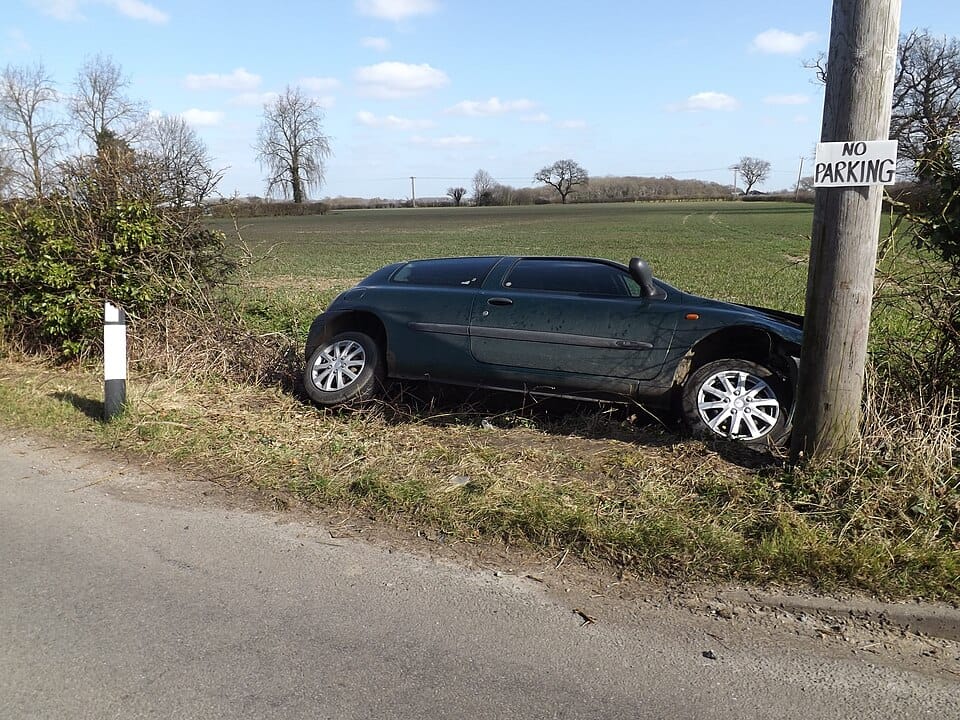
An accident is stressful enough without having to calculate the financial implications for your insurance. But making the right decisions in the aftermath — particularly around whether to claim and how to protect your no-claims bonus — can save you significant money in the years ahead.
Immediately After an Accident: What to Do
Before thinking about insurance, prioritise safety and legal obligations:
- Check for injuries and call 999 if needed
- Exchange details with any other drivers: name, address, phone number, vehicle registration, insurer name and policy number
- Photograph the scene, damage, positions of vehicles, and any relevant road markings
- Note the time, date, weather, and road conditions
- Get details of any witnesses
You are legally required to stop after an accident, report it to police within 24 hours if anyone is injured, and provide your insurance details on request.
Should You Claim or Self-Fund?
Not every accident warrants a formal insurance claim. Before proceeding, calculate the financial equation:
- Estimated repair cost minus your excess = net claim value
- Compare this to: estimated premium loading over 3–5 years following a claim
If the net claim value is lower than the long-term premium impact, self-funding is smarter. As a rough guide, claims under £500–£700 are often not worth making — particularly if you have a significant NCB to protect.
NCB Protection: The Essential Safety Net
If you have NCB protection on your policy, you can make a specified number of claims (usually one or two within a defined period) without your NCB percentage being reduced. This does not fully insulate your premium from rising — the base rate can still increase — but it prevents the loss of your accumulated discount.
With NCB protection, the calculation changes: a claim is more financially viable because you know your hard-earned discount is preserved.
Non-Fault Claims
If another driver caused the accident and is clearly at fault, you have two options:
- Claim through your own insurer — they recover costs from the at-fault driver's insurer
- Claim directly through the at-fault driver's insurer
Claiming through your own insurer is typically faster and simpler. Your insurer handles the recovery process. Your NCB should not be reduced for a genuine non-fault claim where full recovery is made. However, this is not universally guaranteed — check your policy wording.
Claiming directly through the at-fault driver's insurer avoids any involvement of your own policy but can be slower and more adversarial.
Courtesy Car Considerations
If you need a courtesy car while yours is repaired, claiming through your own insurer is generally more reliable — your policy will typically specify a replacement vehicle from an approved repairer. Direct claims through the at-fault insurer's network can be slower to arrange.
Using a Claims Management Company
Claims management companies (CMCs) offer to handle non-fault claims — particularly for personal injury. Be cautious: fees and deductions can be significant, and some CMCs inflate claims in ways that raise industry premiums for everyone. For straightforward non-fault property damage, managing the claim yourself or through your own insurer is usually better.
The Three-Year Rule
Most fault claims affect your premium for 3–5 years (the record remains on CUE for 5 years). Once a claim is beyond this window, its pricing impact diminishes. Factor this timeline into your long-term cost calculations when deciding whether to claim.