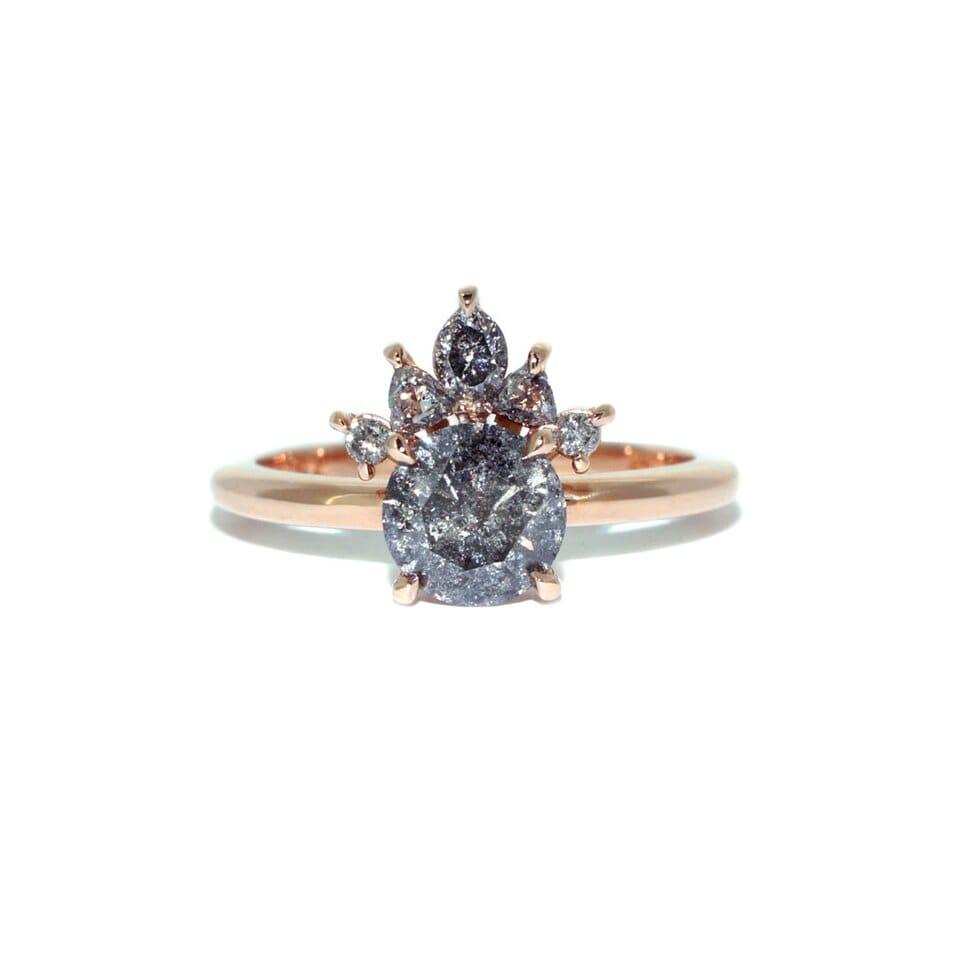
Why Jewellery Insurance Matters
An engagement ring can represent months of savings - the average engagement ring in the UK costs between 1,500 and 3,000 pounds, with many significantly exceeding this. Jewellery is also one of the most commonly stolen categories of personal possessions and one of the most easily lost or damaged. Yet many owners assume their jewellery is automatically covered under their home contents insurance - often incorrectly, or not to the full value.
The Problem with Standard Home Insurance
Most home insurance contents policies impose single-item limits of 1,000 to 2,000 pounds. If your engagement ring or any single piece of jewellery is worth more than this limit, you will not receive full replacement value in a claim unless the item has been specifically listed (scheduled) on your policy. Additionally, standard home insurance may not cover jewellery taken outside the home without a personal possessions add-on.
Options for Insuring Jewellery
Schedule Items on Your Home Policy
Ask your home insurer to add your high-value jewellery as specified items. You will need a professional valuation, and an additional premium will apply. The advantage is simplicity - one policy covers your home and your valuables.
Standalone Jewellery Insurance
Specialist jewellery insurers such as Jewel Insure, TH March, or Beaverbrooks offer dedicated policies for high-value pieces. These typically offer: worldwide cover, agreed value settlements, no single-item sub-limits, and cover for mysterious disappearance (when you can't explain how the item was lost).
Getting a Valuation
- Use a valuer registered with the National Association of Jewellers (NAJ) or Assay Assured
- Get a new valuation every 3 to 5 years as precious metal and gemstone prices change
- Keep the valuation certificate, photographs, and receipts in a secure place separate from the jewellery
Practical Tips
- Never put jewellery in checked luggage when travelling
- Store high-value pieces in an insurer-approved safe when not wearing them
- Report theft to the police immediately and obtain a crime reference number
- Consider a bank safety deposit box for pieces you wear rarely