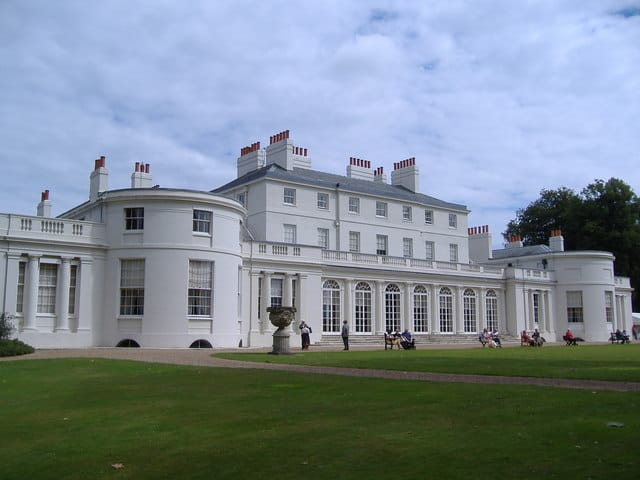
Owning a listed building in the UK is a privilege — and a responsibility. Whether your home is Grade I, Grade II*, or Grade II listed (or Category A, B, or C in Scotland), standard home insurance is unlikely to be adequate. Listed buildings require specialist cover that accounts for the unique obligations and costs associated with maintaining a protected historic structure.
Why Standard Home Insurance Falls Short
Standard home insurance is designed for conventional modern properties. Listed buildings present several complexities that standard insurers either exclude or price inadequately:
- Repair to original specification — if your 17th-century timber frame is damaged, rebuilding it with modern materials may not satisfy planning requirements or listed building consent. Repairs must often use lime mortar, traditional timber, handmade bricks, or heritage windows — all significantly more expensive than modern equivalents.
- Listed building consent — any repairs must comply with planning regulations. Unapproved alterations can result in criminal penalties. Insurance must cover the cost of appropriate materials and specialist craftspeople.
- Rebuild cost complexity — standard rebuild cost calculators don't apply to listed buildings, whose true rebuilding cost (in original specification) can be multiples of market value.
Getting the Sum Insured Right
The most critical issue for listed building insurance is establishing the correct rebuild cost. This must account for:
- The cost of traditional materials (lime plaster, stone, oak, slate, handmade tile)
- Specialist labour (heritage craftspeople, stonemasons, timber framers)
- Listed building planning fees and consent process
- Archaeological monitoring costs if foundations are disturbed
For listed buildings, a professional rebuild valuation from a RICS-qualified chartered surveyor with heritage expertise is strongly recommended — not the ABI online calculator. Many listed buildings are underinsured by 30–50% as a result of using inadequate tools.
Specialist Listed Building Insurers
Several insurers specialise in listed buildings and heritage properties in the UK:
- Hiscox — strong heritage property expertise
- Ecclesiastical — specialists in historic and heritage properties
- Lloyds of London specialist syndicates — for complex or very high-value properties
- English Heritage Insurance
- NFU Mutual — strong in rural listed property
Specialist brokers including Assetsure and Country & Protect can access markets unavailable directly to consumers.
What Listed Building Insurance Covers
A specialist listed building policy should include:
- Rebuild to original specification using traditional materials
- Professional fees for architects, surveyors, and planners
- Alternative accommodation while repairs are carried out
- Trace and access cover for finding hidden damage sources
- Loss of rent if the property is let
- Accidental damage (important given the fragility of historic features)
Maintenance Obligations
Insurers can decline claims for listed buildings where damage results from lack of maintenance — particularly roof defects, blocked gutters, or neglected pointing. Maintaining a maintenance log and undertaking regular professional inspections supports your position in the event of a claim.
Planning Ahead
If you're buying a listed building, budget for a specialist rebuild valuation (£300–£800 depending on property size and complexity), obtain specialist insurance quotes before exchange, and factor the higher ongoing premium cost into your ownership budget. A listed building is a long-term commitment to stewardship — and the insurance needs to match that commitment.