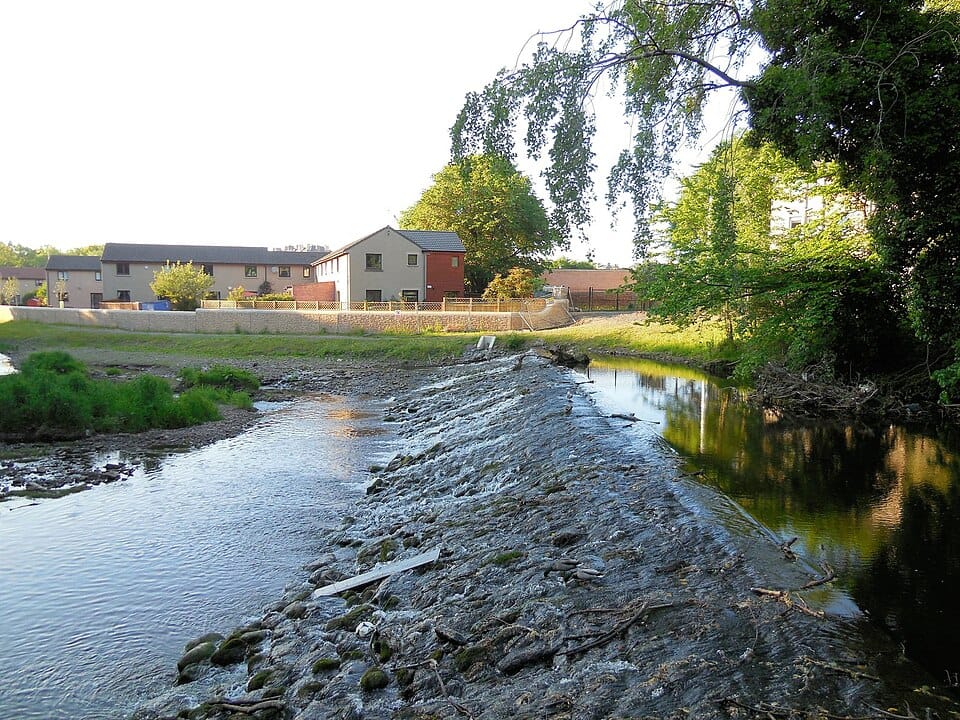
Flood Risk in the UK
Flooding is the most common and costly natural disaster in the UK. The Environment Agency estimates that approximately 5.2 million properties in England are at risk of flooding from rivers, the sea, or surface water. If you live in a high-risk area, getting adequate flood insurance is both critical and potentially challenging.
Is Flood Cover Included in Standard Home Insurance?
For most UK properties, flood cover is included as standard in buildings and contents insurance. However, for properties that have flooded previously or are in designated high-risk flood zones, insurers may: exclude flood cover entirely, charge significantly higher premiums, or impose a very high excess specifically for flood claims.
Flood Re: The UK Safety Net
Flood Re is a joint government and insurance industry scheme launched in 2016 to make flood insurance more affordable and available for high-risk properties. Under the scheme, insurers can transfer the flood risk element of a policy to the Flood Re pool, which operates as a reinsurance vehicle. This allows insurers to offer more competitive flood premiums to eligible households.
Flood Re covers homes built before 1 January 2009. Properties built after this date, and certain property types including leasehold flats in blocks, commercial properties, and buy-to-let properties, are not eligible. Check the Flood Re website to confirm your property's eligibility.
If You Live in a High-Risk Area
- Check the Environment Agency's Flood Risk map online to understand your specific risk level
- Contact the National Flood Forum for free advice on insurance and flood protection measures
- Consider flood resilience measures - raised electrics, water-resistant flooring, airbrick covers - which may improve your insurance position
- Use a specialist flood insurance broker if mainstream insurers decline or quote very high premiums
What to Do After a Flood
- Contact your insurer immediately and photograph all damage before starting any clearance
- Use the insurer's approved contractors or agree a process before commissioning repairs
- Keep all receipts for emergency costs such as temporary accommodation
- Check whether your council offers any emergency assistance grants