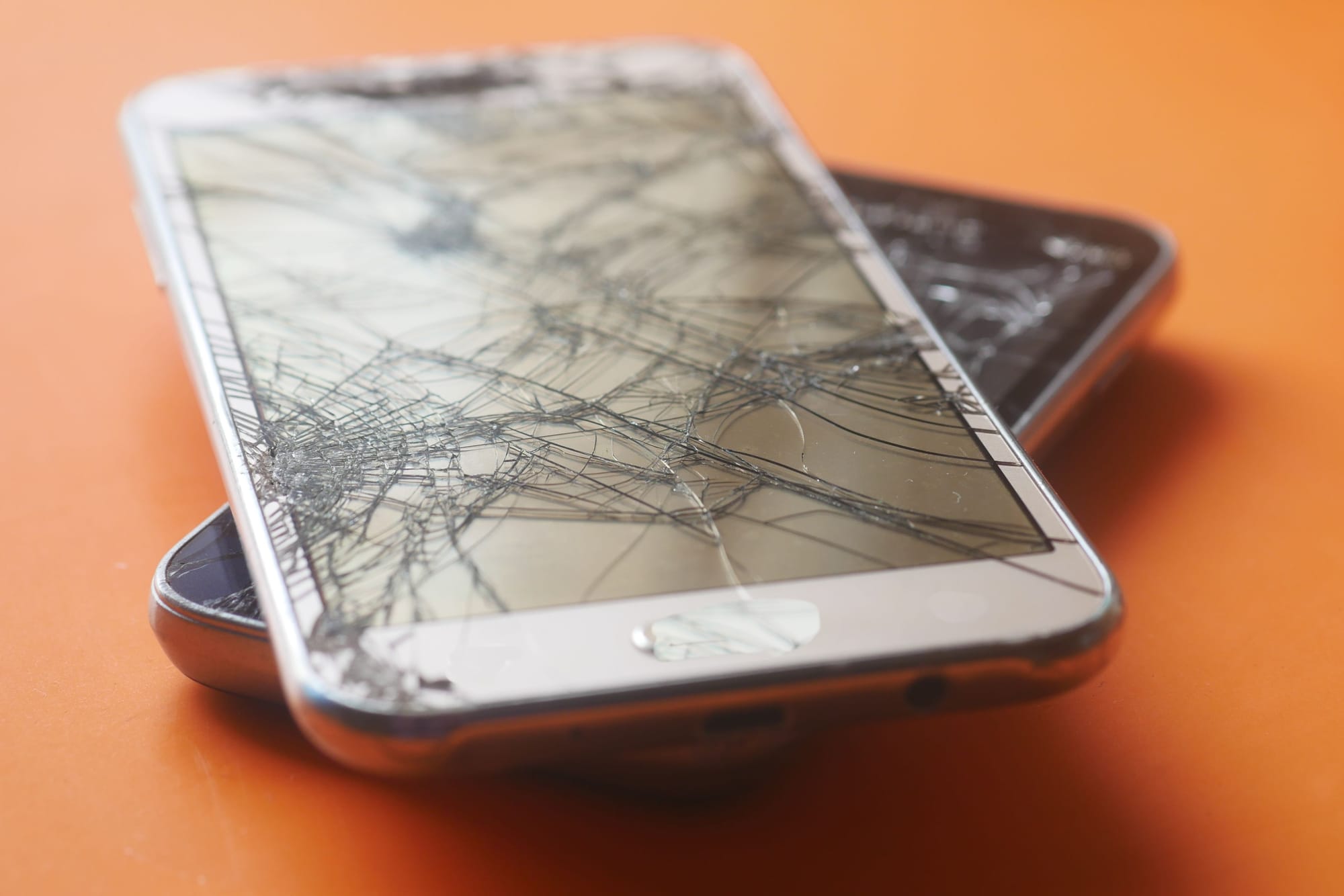
Drop your phone down a drain the day after the warranty expires and you're looking at a repair bill that can run to £200 or more for a cracked screen alone, more again if the water gets into the charging port. Plenty of people respond by buying a standalone gadget insurance policy the same week. Plenty more are already covered and don't know it — through a packaged bank account, a home contents policy, or a credit card benefit that's been sitting unused since the day they signed up.
What gadget insurance actually covers
A standalone gadget policy from a provider like Protect Your Bubble, Yonder or Gadget Cover typically insures a named device — a phone, tablet or laptop — against accidental damage, theft, and sometimes mechanical breakdown once the manufacturer's warranty runs out. Premiums generally sit between £5 and £15 a month depending on the device's value and the level of cover, with an excess of £25 to £75 payable on each claim, and most policies cap the number of claims you can make in a twelve-month period at two or three. The genuinely useful feature, if you travel or commute a lot, is worldwide cover — most standalone gadget policies protect the device wherever you take it, not just inside your front door, which matters enormously if your phone is stolen from a café table in Barcelona rather than your own kitchen. Read the theft clause carefully before assuming you're covered, though: a lot of policies only pay out on theft if there's evidence of "forcible and violent entry" or the device was taken directly from your person, which excludes the extremely common scenario of a phone lifted from an unattended bag or table. Cracked-screen claims specifically are worth checking twice, because some insurers route them through an approved repair network rather than paying cash, meaning you'll be sent a replacement handset or a repair voucher instead of money to spend as you choose. That's not necessarily a downside — a next-day screen swap through an approved repairer can beat queuing at a phone shop — but it's worth knowing before you assume a claim means cash in your account.
The cover you might already have
Before paying for a new policy, check what's already sitting in accounts you hold. Packaged current accounts — Nationwide's FlexPlus, Santander's Select, Halifax's Reward and several others — bundle gadget or mobile phone cover into their monthly fee, typically £11 to £17 a month, alongside travel insurance and breakdown cover that most people never fully use. If you're already paying for one of these accounts for the travel insurance alone, check the policy document specifically for gadget or mobile cover rather than assuming it isn't there, because several of the major packaged accounts added device cover to their benefits list in recent years without much fanfare. The cover levels differ meaningfully between providers too — some cap mobile phone claims at £1,000 or £1,500 per device, and a handful require you to register the specific handset with the bank before a claim will be honoured, so it's not always a case of automatic cover the moment you open the account. Mobile network insurance is a third option worth ruling out before you buy anything new: EE, O2, Vodafone and Three all sell device insurance add-ons at the point of sale, and if you took one out when you bought your current phone, it's worth checking whether it's still active rather than assuming it lapsed with your last contract renewal.
Your home contents insurance might already have you covered too.
Most standard contents policies include "personal possessions" or "away from home" cover as standard or as a cheap add-on, extending your existing buildings-and-contents protection to items you carry outside the house — including phones, laptops and tablets. Where this gets complicated is the claims history: making a gadget claim through your home contents policy affects your no-claims history on that policy the same way any other claim would, which can push up your renewal premium on the whole policy, not just the gadget portion. A standalone gadget policy keeps that risk ring-fenced — a phone claim only affects the gadget policy's premium, not your buildings and contents cover — which is one of the stronger arguments for a separate policy even when your home insurance technically already covers the device.
Credit card purchase protection: the cover nobody checks
Section 75 of the Consumer Credit Act makes your credit card provider jointly liable with the retailer for goods between £100 and £30,000 if something goes wrong with the purchase — faulty goods, non-delivery, a retailer going bust before delivery — provided you paid at least part of the cost on the card itself. This isn't accidental damage cover in the way a gadget policy is, and it won't pay out if you simply drop your phone in a puddle eighteen months after buying it, but it's genuinely useful in the window immediately after purchase if a device turns out to be faulty and the retailer is unhelpful about it. Some premium credit cards go further, bundling extended warranty or purchase protection insurance that covers accidental damage for a fixed period after purchase, typically 90 to 180 days — check your card's benefits booklet rather than assuming standard Section 75 rights are the full extent of what you're covered for.
How a claim actually plays out
Report the loss, theft or damage as soon as it happens rather than waiting — most insurers, standalone or packaged-account alike, set a reporting window of 24 to 48 hours for theft claims, and missing it can invalidate the claim entirely regardless of how genuine the loss was. For theft, you'll usually need a crime reference number from the police before the insurer will process anything, which means reporting the theft to 101 or via the online police reporting tool is the first call to make, not the insurer. For accidental damage, most insurers ask for photos of the damaged device and, depending on the provider, may ask you to send the device itself for inspection before authorising a repair or replacement. Processing times vary widely: some gadget insurers settle straightforward claims within 48 hours, while claims routed through a packaged bank account's third-party insurer can take one to two weeks, partly because the bank is acting as an intermediary rather than handling the claim directly. Keep every piece of correspondence and reference number the insurer gives you, because a claim that stalls in the system is far easier to chase up with a paper trail than without one.
When a standalone policy is actually worth it
Buy standalone gadget insurance if you own a device worth more than roughly £600, don't already have relevant cover through a packaged bank account or contents policy, and are the kind of person who realistically will drop, lose or have the thing stolen — which, if you're honest about your own track record, you probably already know about yourself. Skip it if your existing home contents policy already extends to personal possessions away from home and you're comfortable accepting the small risk to your no-claims history in exchange for not paying a second premium. And skip it entirely for a device under £300 or so, because by the time you've paid twelve months of premiums plus an excess on a claim, you're often close to the cost of simply replacing the device outright. Households with more than one expensive device tend to do better with a multi-gadget policy than insuring each item separately — most standalone providers offer a family or multi-device tier that covers two or three items under a single premium, working out cheaper per device than three separate single-item policies, even though the headline monthly cost looks higher at first glance.
What to check before you buy anything
Pull up your current bank account's terms and benefits document and search specifically for "gadget" or "mobile phone" cover before assuming you need a new policy. Check your home contents policy schedule for "personal possessions" or "away from home" cover and note the single-item limit — some policies cap individual item cover at £1,000 or £1,500, which matters if you own a recent flagship phone or a higher-end laptop worth more than that. And if you do buy a standalone policy, photograph the device with its IMEI or serial number visible and keep the purchase receipt somewhere other than your inbox, because most insurers ask for proof of ownership and value at the point of claim, not at the point of policy purchase. Cancel any overlapping cover once you've settled on one option — carrying gadget cover through your bank account, your contents policy and a standalone provider simultaneously doesn't triple your payout, it just triples your premium for a claim you can only make once.