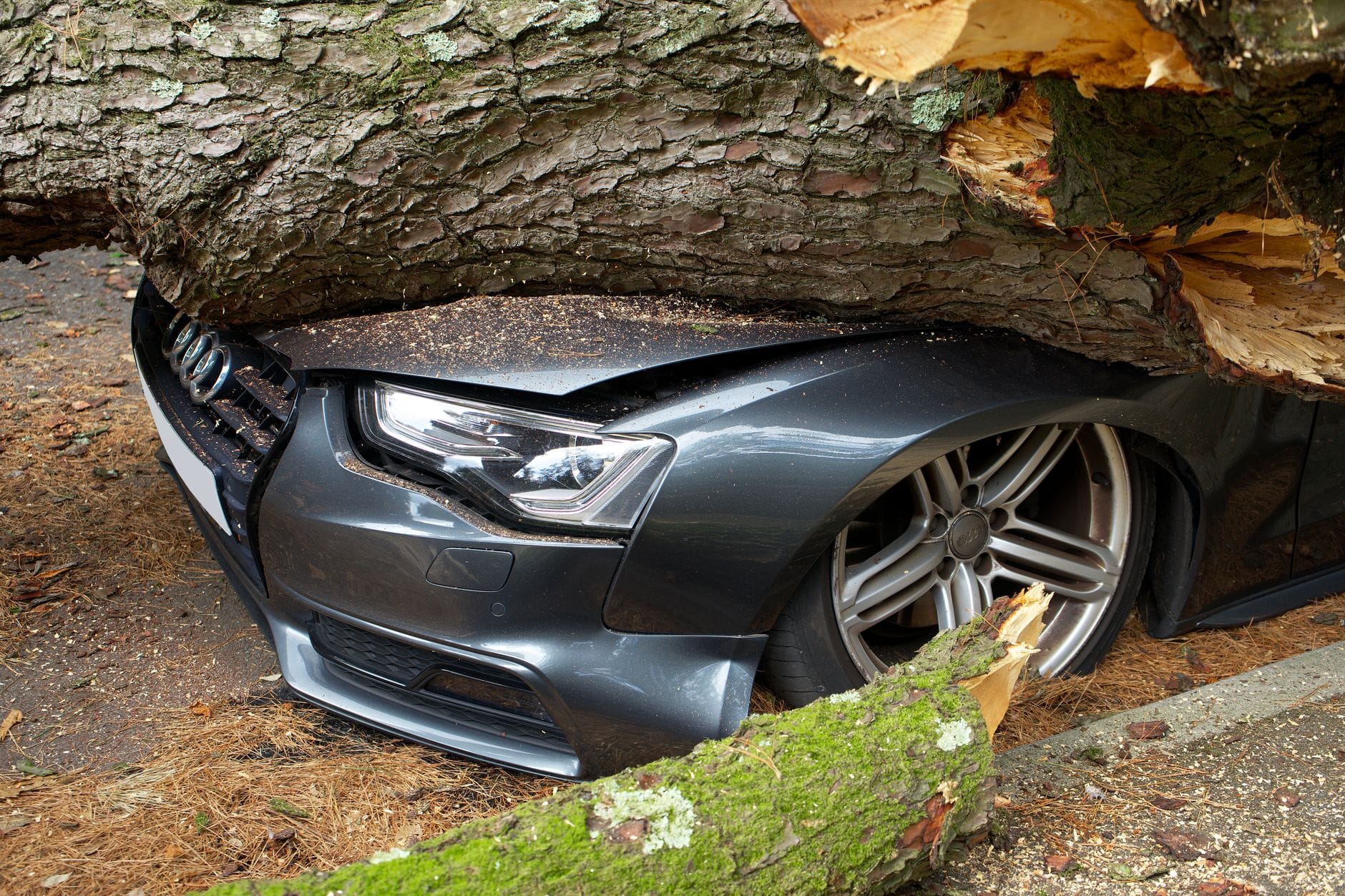
Headline inflation fell to 2.8% in April, the lowest reading in a year, and on the surface that should be good news for anyone opening an insurance renewal this summer. The problem is that insurers do not price off the headline. They price off claims inflation — the cost of repairing a car, drying out a flooded kitchen, replacing a stolen catalytic converter — and that figure is moving to a very different beat. The same April data that showed cooling overall prices also showed motor fuel up 23% over the year, the steepest annual rise since September 2022. Parts, paint, labour and replacement vehicles have not got cheaper. So when your car renewal lands £80 dearer than last year despite a clean record, the gap between the cheerful headline and your quote is claims inflation doing its work.
Home insurance is telling a similar story for different reasons. Building repair costs, tradespeople's day rates and the lingering effect of recent storm seasons keep buildings premiums elevated even where the rest of the economy is cooling. The renewal letter rarely explains any of this. It simply quotes a higher number and trusts that you will pay it on autopilot, which is exactly what most households do.
The renewal price is an opening offer, not a fact
Under the Financial Conduct Authority's pricing rules introduced in 2022, insurers are no longer allowed to quote an existing customer more than they would charge a new one for the same policy — the so-called loyalty penalty was banned. What the rules did not ban is the renewal quote drifting upwards year on year for everyone. The defence is the same as it has always been: shop the whole market through a comparison site three to four weeks before renewal, then phone your existing insurer with the cheapest like-for-like quote and ask them to match it. Insurers retain customers at a discount they will never volunteer.
Where the savings actually hide on motor cover
Adjusting how you hold a policy can move the premium more than switching insurers. Paying annually rather than monthly removes an interest charge that often runs to 20% or more on the instalment plan — on a £700 policy that is over £140 of pure financing cost. Adding a named experienced driver to a young driver's policy can cut it. Tightening the stated annual mileage to reflect reality, increasing the voluntary excess to a level you could genuinely afford after a claim, and listing your occupation precisely all move the number. None of these is a trick; they are simply the levers the quote engine actually reads.
The underinsurance trap that bites at claim time
Chasing the cheapest premium has a sharp edge. Roughly one in five home insurance claims is reduced at settlement because the property was underinsured — the rebuild cost or contents sum was set too low, often years ago, and never updated. If you insured your contents for £40,000 in 2022 and have since refurnished, your real exposure may be far higher, and the insurer is entitled to scale down any payout proportionally. The lesson is not to over-insure. It is to insure the right amount, then shop hard on the price of that correct cover rather than buying inadequate cover because it was cheap.
The cover worth keeping and the add-ons worth dropping
Legal expenses cover at £25 a year is usually worth holding for the access it gives to advice lines and uninsured-loss recovery after a non-fault accident. Key cover and personal possessions extensions, by contrast, often duplicate protection you already hold elsewhere and quietly inflate the premium. Read the add-on list on your summer renewal, strip out the duplicates, keep the genuinely useful, and you will frequently find the "increased" renewal is beatable without dropping a single piece of protection that matters.