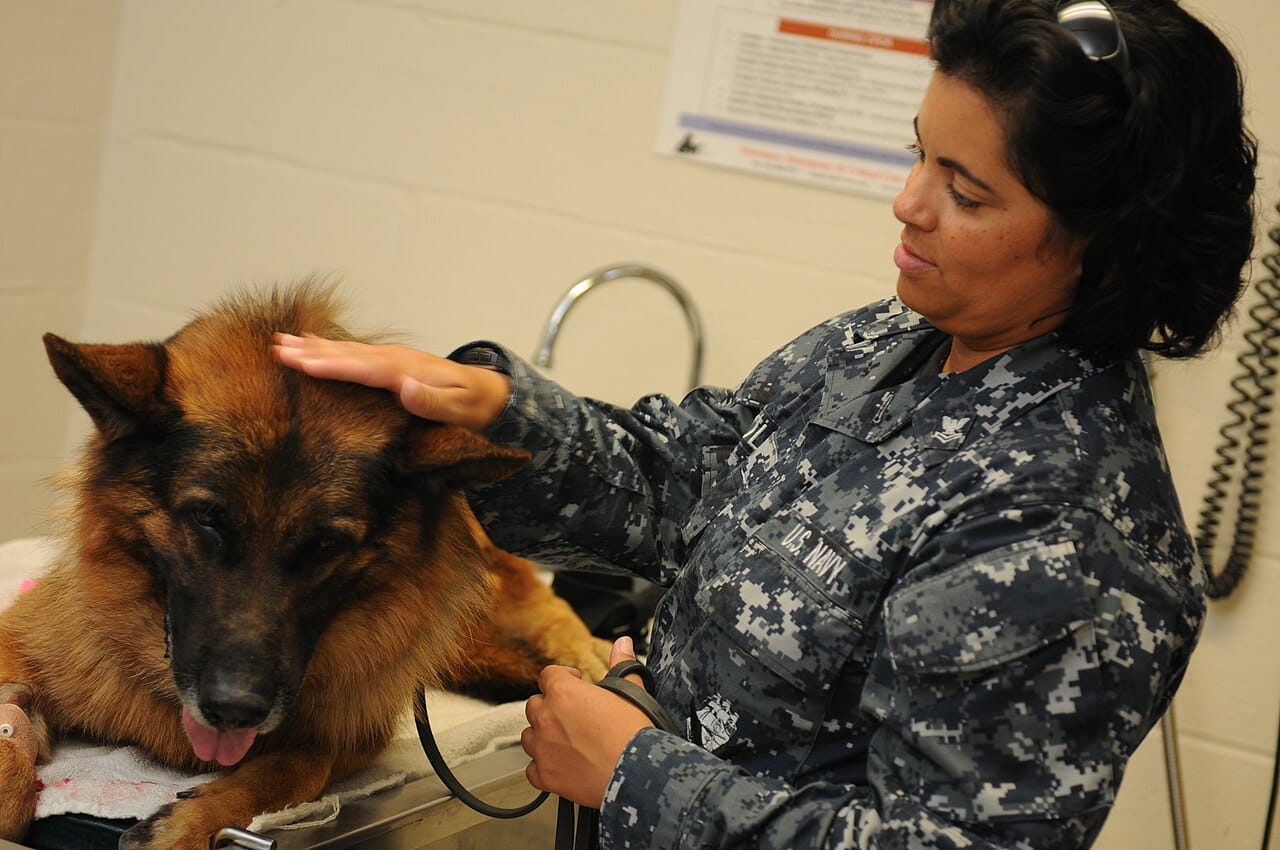
A nine-year-old Labrador on a standard UK lifetime insurance policy was paying £312 a year in January 2024. In April 2026, the same dog on the same product renewed at £820. The Association of British Insurers' April quarterly bulletin put the average increase across lifetime cover at 91% in 27 months — well ahead of any general inflation measure, and well ahead of what most owners noticed because the renewals trickle through monthly across the year.
Why the rate increases happened
Three things compounded. First, veterinary inflation: the Competition and Markets Authority's investigation into the corporate vet groups (IVC Evidensia, CVS, VetPartners) concluded in November 2025 that pricing is "structurally elevated" but stopped short of an immediate cap — leaving routine costs at 70-110% above 2019 levels. Second, GAP procedures (gastro, anaesthesia, post-surgical) added an average of £640 to the per-claim cost since 2024 as new pain management protocols became standard. Third, the FCA's October 2025 ruling that loyalty pricing (charging long-standing customers more) had to end forced insurers to spread the previous discount load across all premiums — pushing new-customer rates up too.
Why lifetime cover is now broken for older dogs
Lifetime cover was designed for a dog's whole life — pay a steady premium, get the same per-condition limit (typically £4,000) every year, including chronic conditions. The model works when the average dog has 1.1 chronic conditions across its lifespan. The new average is 1.6 — driven mostly by older dogs developing both arthritis and a second condition (heart disease or diabetes). The insurer is now expected to pay £4,000 + £4,000 every year for life, which is exactly why the premium math has broken.
What is actually being sold in May 2026
1. Maximum-benefit policies (a new lease of life)
The product structure that dominated UK pet insurance before 2010 has quietly returned. Maximum-benefit pays out up to a fixed pot per condition (typically £8,000 to £15,000) without an annual reset — once you've exhausted the £8,000 for "arthritis", that condition is no longer covered. For dogs under five years old, the maths is better than lifetime: lower premium, plenty of room before any single condition exhausts the pot.
Premiums in May 2026 for a 4-year-old crossbreed: £340-£480 for £12,000 maximum-benefit, versus £620-£780 for an equivalent lifetime policy.
2. Time-limited 12-month cover
The cheapest active product. Pays for each new condition for 12 months from first symptom, then stops covering it forever. Suitable only for younger pets with no pre-existing conditions and owners who can self-insure for chronic issues. Premiums are £180-£280 a year for a 3-year-old dog, but the trap is well-known: any condition that develops after the policy starts gets one year of cover and is then on you forever.
3. Self-insurance with a savings buffer
For owners of older dogs (8+) where lifetime premiums now exceed £100/month, an increasing number of UK owners are dropping insurance and instead transferring the equivalent premium into a dedicated savings account. £100/month over five years is £6,000 plus interest — enough to fund most routine surgeries. The shortfall comes in catastrophic events like major orthopaedic surgery, which run £4,000-£8,000 at corporate vets.
What to actually do in May 2026
For dogs under three: maximum-benefit £12,000 cover with one of the smaller specialist insurers (Many Pets, Bought By Many, Animal Friends) is now structurally better value than lifetime from the big three (Petplan, Aviva, Direct Line). For dogs five to seven: lifetime is still defensible if the breed has high chronic-condition risk (Labrador, Cocker, French Bulldog). For dogs eight and over: get a quote on maximum-benefit before automatically renewing lifetime — the gap is now wide enough that thousands of owners will save substantial money by switching.