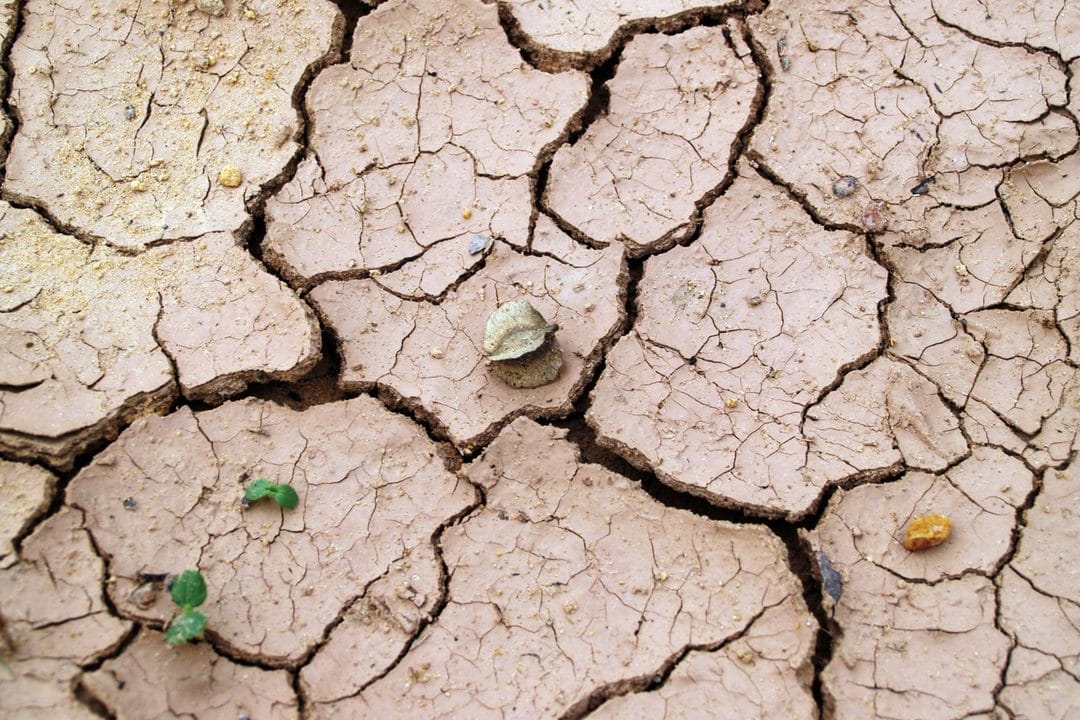
UK home insurers are bracing for a rise in subsidence claims after a prolonged dry spell left large parts of southern and eastern England with cracked, shrinking clay soil through July. After the record 2018 heatwave, the Association of British Insurers linked an extended dry summer to a sharp jump in subsidence claims across the south-east, with volumes climbing well beyond a typical year. Typically, loss adjusters say the pattern repeats: cracks widen for weeks after the ground dries, then claims peak once autumn rain returns and the soil begins to swell again.
Clay soils remain the main trigger
Subsidence risk in the UK tracks closely with soil type, and shrink-swell clay is concentrated across London, the Thames Valley, Essex and Kent. According to the British Geological Survey, hazard maps rate these areas as "high" or "medium" risk based on how much a given clay type expands and contracts with moisture. When a dry summer follows a wet winter, the swing between swollen and shrunken clay reaches its most extreme point, stressing shallow Victorian and Edwardian foundations in particular.
Mature trees make the problem worse. Oak, poplar and willow draw moisture from clay soil at a rate that can outpace normal seasonal drying, and a tree within a few metres of a wall is a standard flag on any subsidence survey.
What buildings insurance actually covers
Standard buildings insurance in the UK includes subsidence as a named peril, but the excess is set apart from every other type of claim. Where a typical buildings claim carries an excess of £250 to £500, a subsidence claim usually starts at a £1,000 minimum, and insurers can set the figure higher depending on a handful of factors:
- the property's postcode risk rating on the insurer's own clay-hazard model
- a prior subsidence claim recorded against the address
- homes built before 1900 can carry a higher excess simply because of shallower original foundations
- and, in a handful of cases, cover can be affected if underpinning work from an earlier subsidence event was never formally certified — among other factors insurers weigh at renewal
Homes with a prior subsidence claim on record can find themselves quoted a specialist excess of £2,500 or more when they change insurer.
Settling a subsidence claim is rarely quick. Engineers typically need to monitor crack movement across at least one full season before recommending underpinning or root-barrier work, which is why insurers and homeowners alike describe the process as running 12 to 18 months from first crack to final repair.
Faster triage using satellite data
Several UK insurers have expanded their use of satellite radar data — a technique known as InSAR — to flag ground movement before a policyholder even reports a crack. Increasingly, insurers rely on Terrafirma, a subsidence-risk mapping service built on this satellite data, to screen postcodes for risk at the underwriting stage rather than waiting for a claim to land. According to the Chartered Institute of Loss Adjusters, this kind of remote monitoring is cutting the number of initial site visits loss adjusters need to make, though a physical inspection is still required before any claim is approved for repair work.
Where the risk sits this year
The Environment Agency's drought reporting for England has flagged below-average groundwater levels across several catchments this summer, a pattern that historically precedes an uptick in subsidence notifications through late autumn. In London clay areas particularly, homeowners who spot new or widening cracks — especially diagonal cracks near door and window frames — are advised to photograph them promptly and notify their insurer rather than wait to see if they close up over winter.