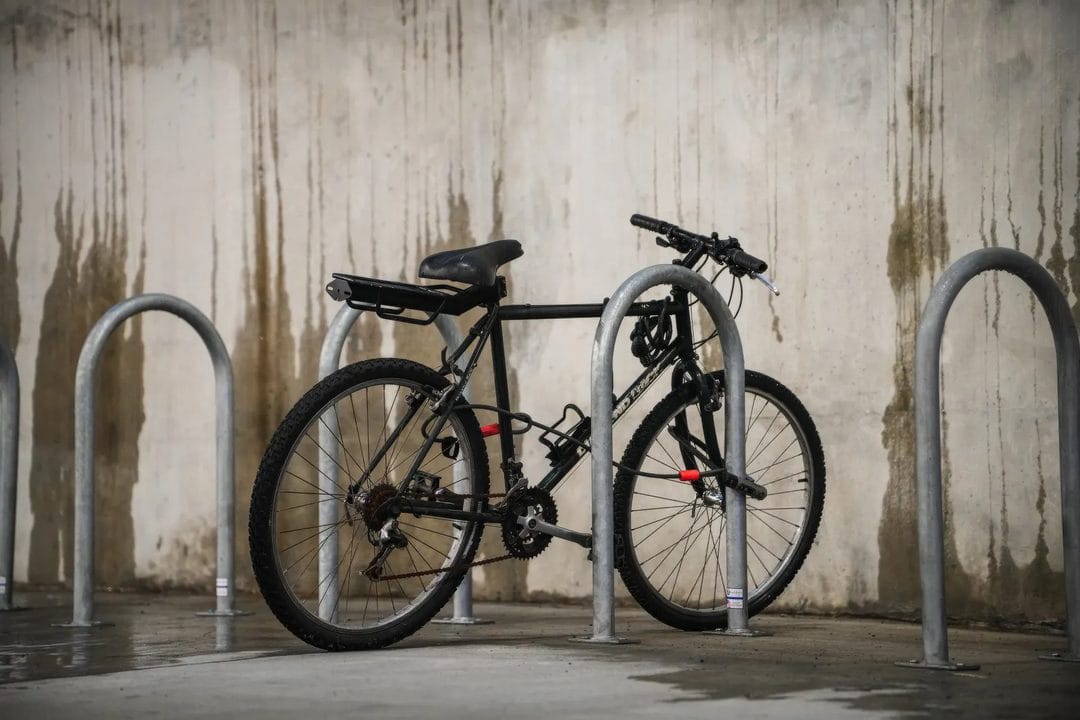
A £3,000 gravel bike chained to a railing outside a café in Bristol. Gone in the time it takes to drink a flat white. The owner assumes their home insurance will sort it — after all, bikes are "contents", aren't they? Three weeks later a loss adjuster tells them the policy pays out £1,200, because that is the unspecified-item limit buried in the small print, and the bike was never listed separately.
This is the gap that catches out a huge number of UK cyclists every year, and it has very little to do with how careful they were locking the bike up. Standard contents insurance was never designed with a £2,000 carbon frame in mind — it was built around televisions, laptops and the odd piece of jewellery. Cycling has outgrown the policy that most people assume is protecting it.
Why your home insurance probably doesn't cover the full value of your bike
Most mainstream contents policies from insurers such as Aviva, Direct Line and LV= apply a "single item" or "unspecified item" limit — a cap on how much they'll pay for any one possession that hasn't been individually listed on the policy schedule. That cap commonly sits somewhere between £1,000 and £2,000, though it varies by insurer and by the overall sum insured you've chosen. If your bike cost more than that figure, you are underinsured the moment you buy it, regardless of how much total contents cover you're paying for.
Then there's the question of where the theft happens. Many standard policies only cover bikes at home, in a locked garage or shed, sometimes with a lower payout again once the bike leaves the property. A separate "away from home" or "personal possessions" extension is usually needed to cover theft in the street, at work, on a train, or at a café — and that extension often carries its own, tighter limit again, on top of an excess that can eat a meaningful chunk of a mid-range bike's value. Read the policy wording rather than the summary sheet; the summary rarely spells out the away-from-home sub-limit.
The locking clause that catches people out
Even when a bike is covered for theft away from home, insurers attach conditions to that cover, and the locking requirement is where most claims actually fail. A typical policy will only pay out if the bike was secured with a lock rated Sold Secure Gold or Silver — the independent testing standard run by the Master Locksmiths Association — and locked to an immovable, fixed structure. A cheap cable lock from a supermarket, rated Bronze at best, often doesn't meet the wording at all, even if the bike was genuinely locked when it disappeared.
What "attended" and "unattended" actually mean in a policy
Insurers also draw a hard line between a bike that was briefly unattended and one left overnight or for an extended period. Nip into a shop for two minutes with the bike locked outside and most policies will treat that as reasonable; leave it locked to the same railing overnight and several insurers will decline the claim outright, on the basis that leaving a bike outdoors unattended for hours after dark isn't a risk they priced in. Some policies specify a maximum unattended period — commonly measured in hours during daylight — buried three or four clauses deep in the general exclusions section, not in the headline cover summary.
What standalone cycle insurance actually adds
A dedicated cycle policy from an insurer such as Bikmo, ETA or Yellow Jersey is built around the actual value and use pattern of the bike rather than treating it as one item among a house full of possessions. New-for-old replacement on a bike under a set age (typically three to five years, depending on the insurer) is the headline benefit, but the more useful differences show up elsewhere in the policy:
- Accessories and cycling clothing cover — helmets, lights, GPS computers and shoes, usually up to a set sub-limit rather than being lumped into the bike's own valuation
- Public liability cover if you injure someone or damage property while riding, which a standard home policy's liability section frequently doesn't extend to cycling incidents at all
- Personal accident cover, paying out for injuries sustained while riding, including on some policies a modest income-replacement benefit for time off work
- Cover that follows the bike abroad, useful for anyone taking a bike on a cycling holiday in France or Mallorca rather than leaving it at home
- Race and event cover as an add-on, because a standard policy — home or standalone — will usually exclude racing use by default, and some will exclude sportives too unless you check
Bikmo in particular prices by the bike's actual value rather than a flat premium band, which suits owners of a single expensive machine. ETA leans towards riders who want breakdown-style extras bundled in alongside the insurance. Neither is automatically the better choice — it depends on whether you're insuring one bike worth £4,000 or three bikes worth £600 each, and the second case often works out cheaper insured together under a family cycling policy than as three separate specified items on a home contents schedule.
British Cycling and Cycling UK membership routes
Both British Cycling and Cycling UK bundle insurance into their annual membership, and it's worth checking this before buying a standalone policy from scratch. British Cycling's membership includes third-party liability cover up to £10 million, which handles the "I knocked someone off their feet and they're now claiming for a dislocated shoulder" scenario that a home policy typically won't touch. Cycling UK's membership works on a similar principle, aimed more squarely at leisure and touring cyclists than the racing-licence audience British Cycling also serves. Neither membership scheme replaces theft cover for the bike itself — they solve the liability gap, not the theft gap — so a rider who wants both ends up either buying a standalone cycle policy on top, or relying on a correctly specified home contents policy for the theft side.
E-bikes are a different risk category
An e-bike is not just an expensive pedal cycle as far as an insurer is concerned. The battery alone can cost £400–£800 to replace, resale demand for stolen e-bikes is higher than for standard bikes because they're easier to sell on quickly, and several standalone cycle insurers either cap e-bike cover well below the equivalent pedal-cycle limit or require a separate declaration and loaded premium. Some home insurers exclude electrically assisted pedal cycles from contents cover altogether once the motor exceeds the legal EAPC limits (250W continuous power, assistance cutting out at 15.5mph) — worth checking specifically if the bike has been modified or imported, because a derestricted e-bike can fall outside both what the law treats as a pedal cycle and what a standard cycle policy is willing to insure.
Battery theft on its own is also increasingly treated as a distinct risk in policy wording, separate from the frame and motor — check whether a policy covers the battery if it's stolen while detached and charging indoors, which is a genuinely common theft pattern that a frame-focused policy can miss entirely.
What actually voids a claim
Beyond the locking and unattended-period issues already covered, the exclusions that trip people up most often are commercial use — a bike used for paid delivery work through Deliveroo or a courier round needs a commercial policy, not a leisure cycle policy, and insurers do check this against claim details — and unauthorised racing or competitive use without the relevant extension bought in advance. A bike stored in a communal hallway or an unlocked shed, rather than a locked outbuilding, also falls outside most "at home" definitions, which assume a genuine locked structure rather than just a roof and four walls.
Choosing between home insurance, a standalone cycle policy and membership cover
For a bike worth under roughly £500, specifying it on a decent home contents policy is usually the more sensible option — check that the insurer actually offers item specification (not all do) and confirm the away-from-home theft limit before assuming it's covered. For anything above that, a standalone cycle policy earns its premium through new-for-old replacement, accessories cover and the liability protection a home policy typically skips. Combining a British Cycling or Cycling UK membership for the liability side with a specified item on home insurance for theft is a reasonable middle ground for riders who cycle occasionally rather than daily.
Whichever route you choose, confirm the insurer or broker is FCA-authorised before handing over a card number — the Financial Conduct Authority's register at register.fca.org.uk lets you check a firm's authorisation status in under a minute, and it's a habit worth having for any insurance purchase, not just cycling cover. A five-minute check now is considerably less painful than discovering after a theft that the policy you bought wasn't backed by an authorised insurer at all.