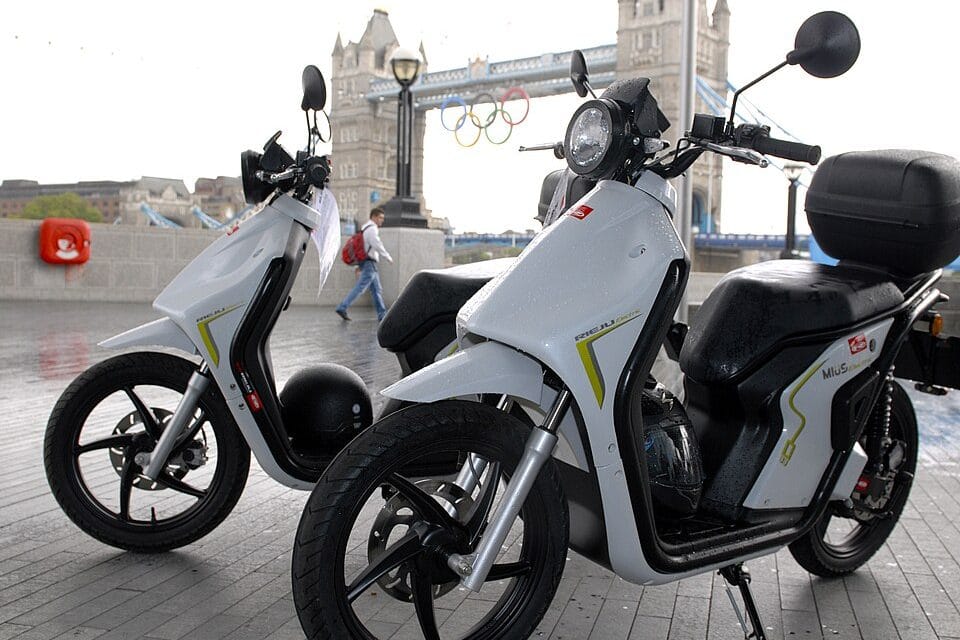
Buy an e-scooter from Halfords or Pure Electric this summer and you will be handed a helmet, a charger, and a leaflet — but not an insurance policy, because none of the major UK insurers sell one for private use. That is not an oversight in the market. It is a direct consequence of a legal position that has barely moved in years: privately owned e-scooters still cannot be lawfully ridden on a public road, pavement, or cycle path in England, Wales or Scotland, insured or not. Riding one anywhere outside your own land or a licensed rental scheme is a Road Traffic Act 1988 offence, and an insurer cannot underwrite an activity the law does not permit.
That gap catches out a lot of owners who assume that because e-scooters are sold on the high street and ridden constantly on London and Manchester streets, they must be legal. They are not — not the privately bought ones, anyway. Only the rental scooters operated under Department for Transport trials by firms like Voi, Lime and Tier are lawful to use in public, because those operators carry their own third-party insurance and the vehicles are registered within the trial. Buy your own from a shop and the same model becomes illegal the moment you take it off private land.
The legal knot: why "e-scooter insurance" barely exists as a product
An e-scooter is classed as a Personal Light Electric Vehicle, and under current law it falls into the same bracket as a motor vehicle for road-use purposes — meaning it would need MOT, registration, road tax and third-party insurance to be ridden legally on public roads. None of those exist for e-scooters, because the Driver and Vehicle Licensing Agency has no registration category for them and no insurer offers a compliant motor policy. The Transport Bill announced in the 2024 King's Speech promised to create a proper legal category for private e-scooters, with lower speed limits and mandatory insurance similar to mopeds. As of summer 2026 that legislation still has not been implemented, and the Department for Transport has given no firm date for when it will be. Until it is, the insurance industry has nothing to underwrite.
A handful of niche insurers, including some through Bikmo and specialist gadget cover providers, will insure an e-scooter against theft, accidental damage or fire while it is stored at home or ridden on private land with the landowner's permission. That is a real product and worth having if you paid £400–£900 for a scooter, which is the going range for mid-tier models like the Xiaomi 4 Pro or the Ninebot Max. What none of these policies do — and what no UK insurer currently offers — is public liability or personal injury cover for riding on a road or pavement, because covering an illegal act would itself breach the Financial Conduct Authority's rules on insurable interest.
What happens if you're hit — or you hit someone — while riding privately
This is the part owners tend not to think through until something goes wrong. If you're riding your own e-scooter on a public pavement and a car hits you, the driver's motor insurer will typically still deal with the claim, because the driver caused the collision and their policy covers third-party injury regardless of what you were doing. But if you lose control and injure a pedestrian, or clip a parked car, you are personally liable for the damage — and there is no policy standing behind you. County court judgments for pedestrian injuries from scooter collisions have run into five figures in reported cases, and that liability follows the rider, not the scooter.
Home insurance won't rescue you here either. Standard personal liability sections on UK contents policies — the kind sold by Aviva, Direct Line, and Admiral — specifically exclude liability arising from the use of a "motor vehicle," and most insurers now explicitly list e-scooters as falling under that exclusion when ridden anywhere other than private land. A few insurers, LV= among them, have started adding narrow endorsements that cover e-scooter liability on private land only. Check the wording before assuming you're covered; the default position across the market is that you are not.
E-bikes are a genuinely different story
Electric bikes sit in a completely different legal category, and this is where the confusion does real damage — plenty of riders assume "electric two-wheeler" means one set of rules covers both. It doesn't. An e-bike that meets the EAPC (Electrically Assisted Pedal Cycle) rules — motor no more powerful than 250W, assistance cutting out at 15.5mph, and pedalling required to engage the motor — is legally treated exactly like an ordinary bicycle. No licence, no registration, no MOT, and crucially, no legal requirement for insurance. You can ride a compliant e-bike on any road or cycle path in the UK today without breaking a single law.
That legality, though, is exactly why e-bike insurance is worth buying even though nothing forces you to. Specialist cycle insurers — Bikmo, Yellow Jersey and Cycleguard are the three names that come up most often among UK riders — will cover an e-bike for theft, accidental damage, and public liability up to typically £1–2 million, for premiums that generally run £150–£400 a year depending on the bike's value and where you live. Compare that to the replacement cost of a mid-range e-bike, which now commonly sits at £2,000–£4,500 for brands like Cannondale, Trek or Cube, and the arithmetic works itself out fairly quickly.
What your home insurance actually covers — and where it stops
Contents insurance will cover a bicycle or e-bike against theft from inside your home as standard, but almost every UK insurer caps "unspecified" cycle cover somewhere between £500 and £1,500, which is well below what most e-bikes cost once you include the battery. Theft from a shed or garage usually requires the door to be locked and, for higher-value bikes, a secondary lock through the frame — insurers like Aviva and Direct Line have both declined claims where a bike was stolen from an unlocked shed even though the shed door itself was closed but not bolted.
Theft away from home — locked to a railing outside a café, say — is where standard contents policies fall apart almost entirely. Most exclude cover for bikes left outside the home altogether, and the ones that don't typically demand a specific lock standard (Sold Secure Gold or Diamond rating) and cap the payout at a fraction of the bike's value. If your e-bike cost more than about £1,000, get it listed as a named item on your contents policy or move it to a standalone cycle policy — don't assume the standard wording has your back, because in most cases it simply doesn't.
Specialist cycle insurance versus relying on contents cover
Here's where an unqualified recommendation is worth making rather than hedging: if you own an e-bike worth more than roughly £1,500, buy a dedicated cycle policy rather than trying to stretch your contents insurance to cover it. The premium difference between adding a named item to contents cover and taking out a standalone Bikmo or Cycleguard policy is usually £50–£100 a year, and the standalone policy comes with worldwide cover, mechanical breakdown options, and — critically — public liability that most home insurers won't extend to a vehicle capable of 15.5mph.
The second call worth making plainly: don't buy a private e-scooter expecting insurance to eventually catch up and protect you retroactively. Regulation has been "imminent" since 2020, when the DfT first launched rental trials as a supposed stepping stone to full legalisation. Six years on, the legal framework for private ownership still doesn't exist, and there's no indication the gap will close before the Transport Bill actually receives Royal Assent — which, at the rate this has moved, could be another year or more away.
What to actually do if you ride an e-scooter or e-bike in 2026
For e-bike owners, the checklist is straightforward: confirm your bike meets the EAPC specification (check the manufacturer's spec sheet for the 250W/15.5mph limits — some "e-bikes" sold online are actually derestricted and legally classed as mopeds), get it insured through a specialist cycle insurer if it's worth more than £1,000, and use a Sold Secure Gold-rated lock for anywhere it's left outside your home.
For e-scooter owners, the honest advice is blunter. Riding a privately owned scooter anywhere outside your own land remains illegal, uninsurable for liability, and enforceable — the Metropolitan Police alone issued several thousand seizures and fixed penalty notices for illegal e-scooter use in recent years, and other forces have followed the same pattern. If you want a scooter you can legally use around town without waiting for legislation that keeps slipping, join one of the rental schemes running in your city instead; the insurance problem, in that case, has already been solved for you by the operator.